
The 7 Pearl Value Factors
-
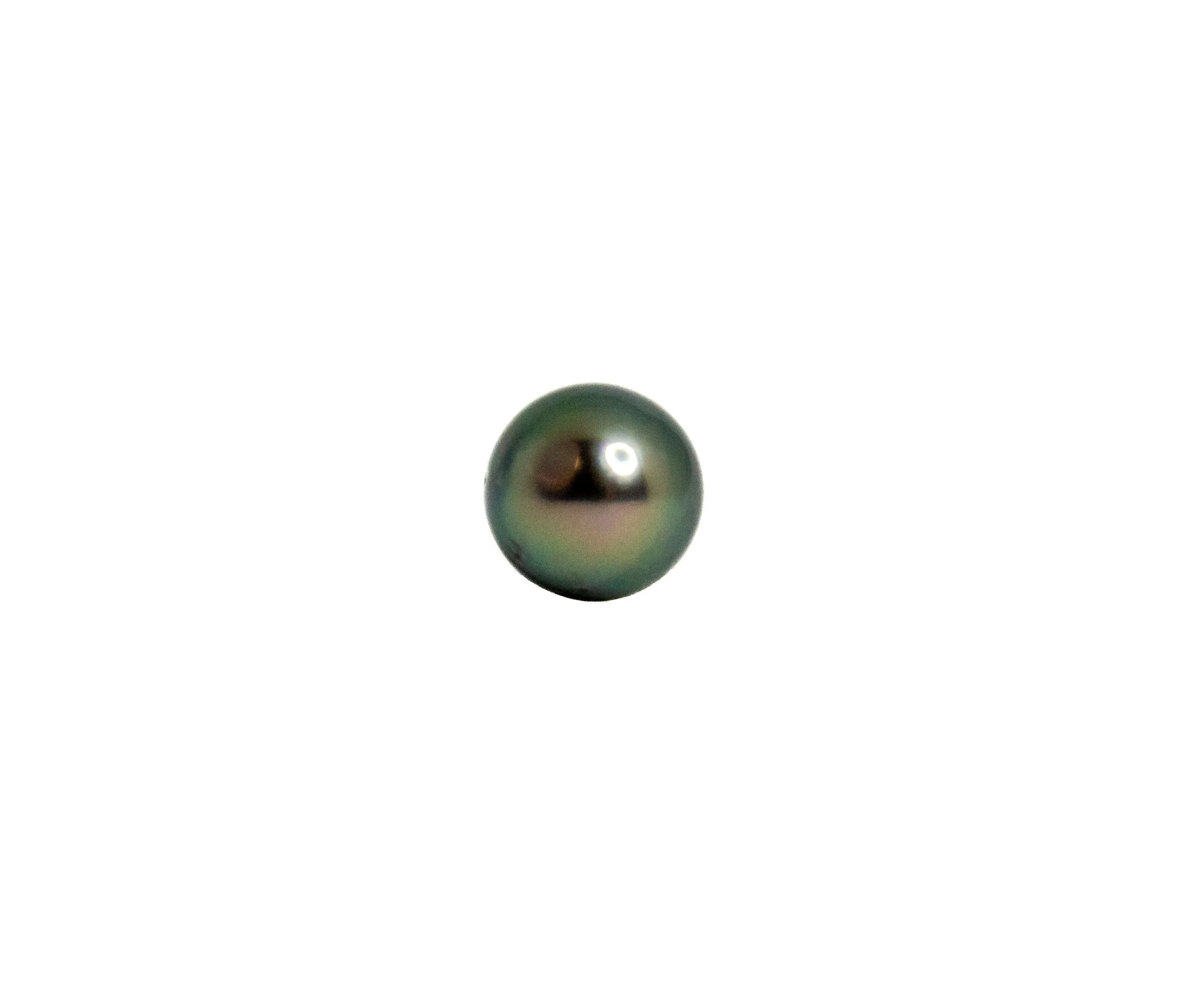
Luster measures the reflectiveness of a pearl’s surface, and the amount of light reflected on the pearls.
Beautiful luster makes or breaks pearls as pearls without excellent luster can look like chalky beads.
The brighter, sharper, and more reflective a pearl is, the more valuable it will be.
-
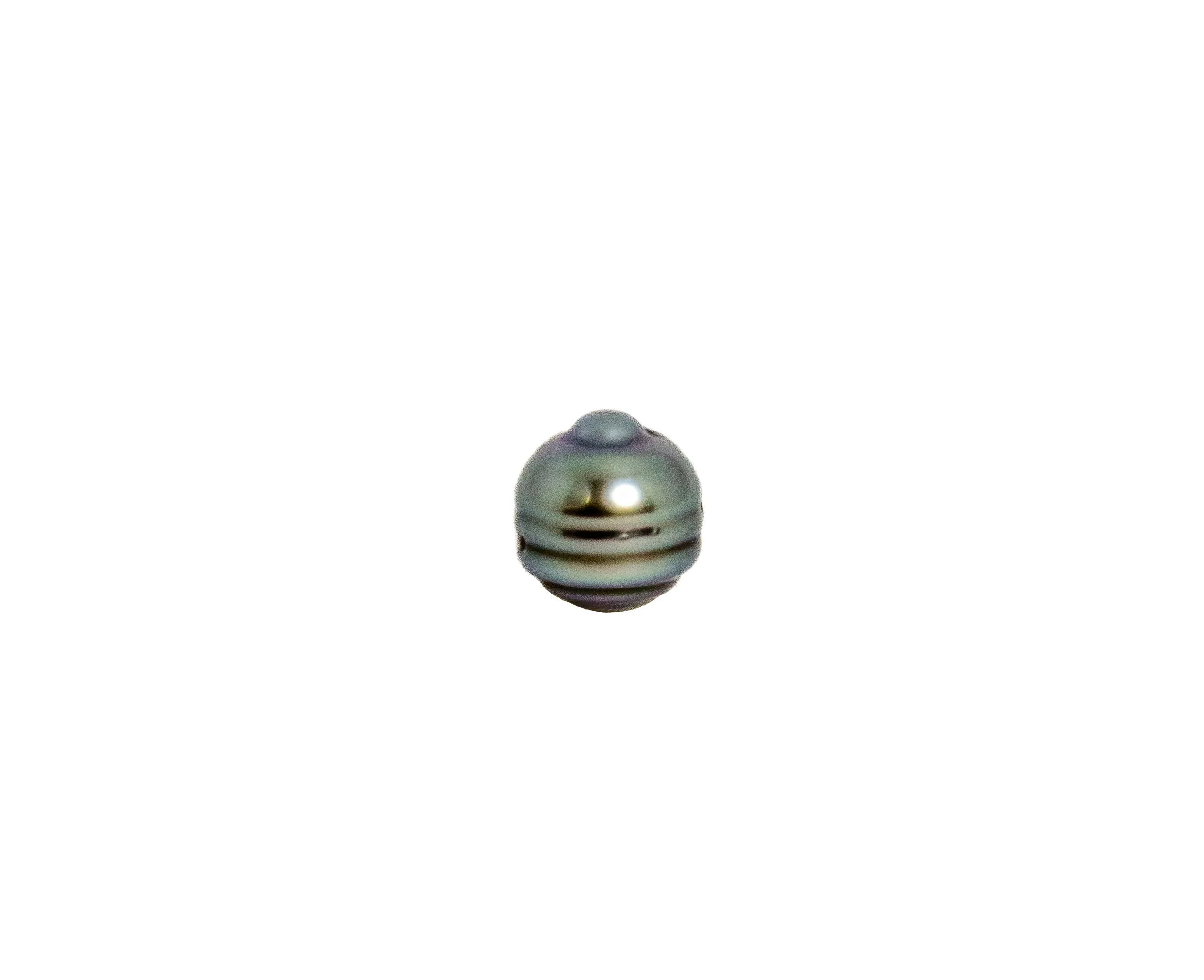
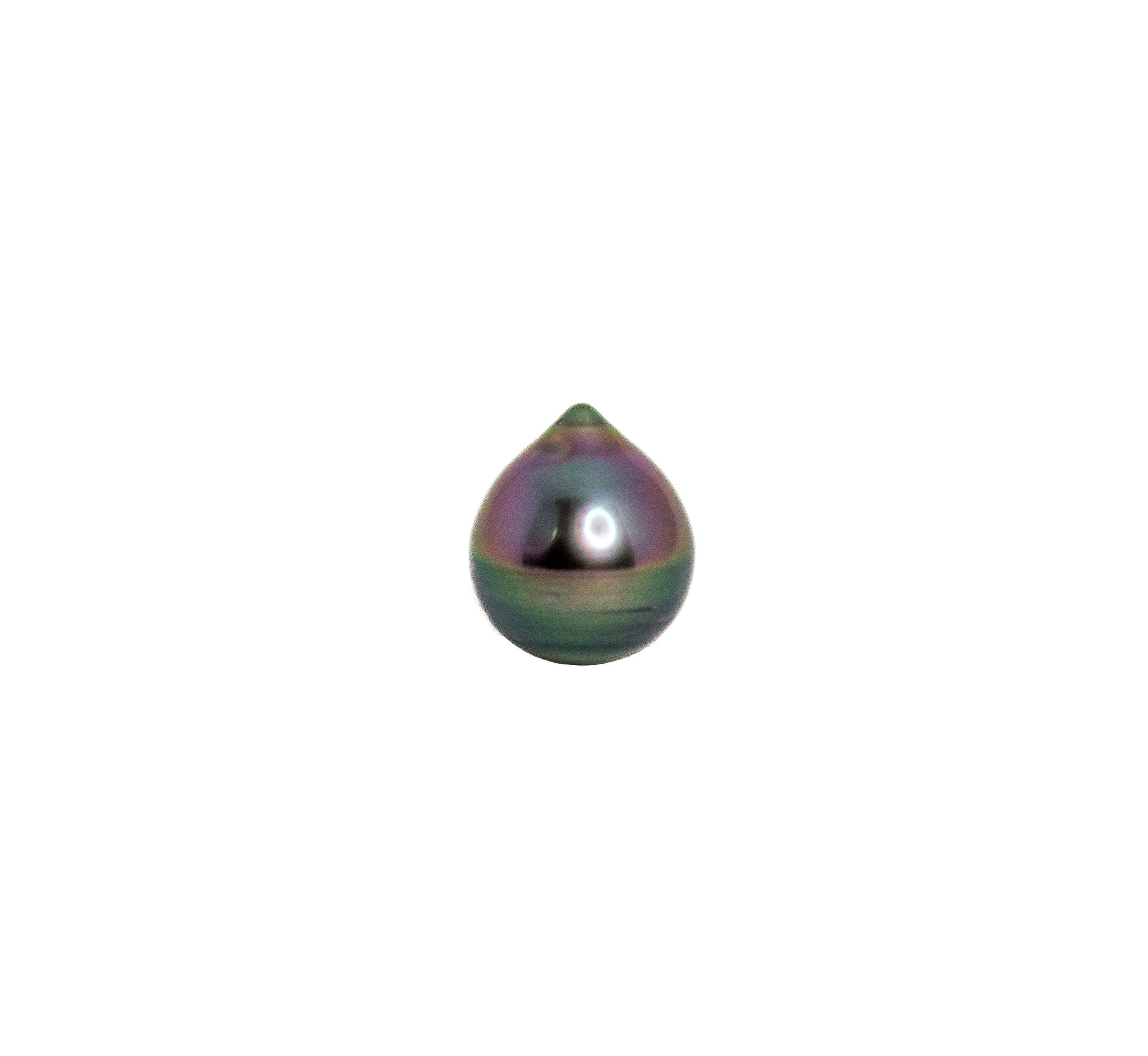
Generally the more perfectly round a pearl is, the more prized it is. However, many pearl connoisseurs enjoy the unique distinctiveness of baroque pearls.
Baroques are off-round, drop, and asymmetrical in shape, and are graded according to symmetry.
-
Pearls come in every color of the rainbow. Naturally colored pearls like black Tahitian pearls or Golden South Sea pearls are graded on their color’s depth and saturation - the more vibrant pearls will be rarer and valuable.
-
Large pearls are rare in nature. The majority of cultured pearls harvests consist of pearls under 10.0mm and so the bigger they are the more valuable they are (all other value factors being equal).
-
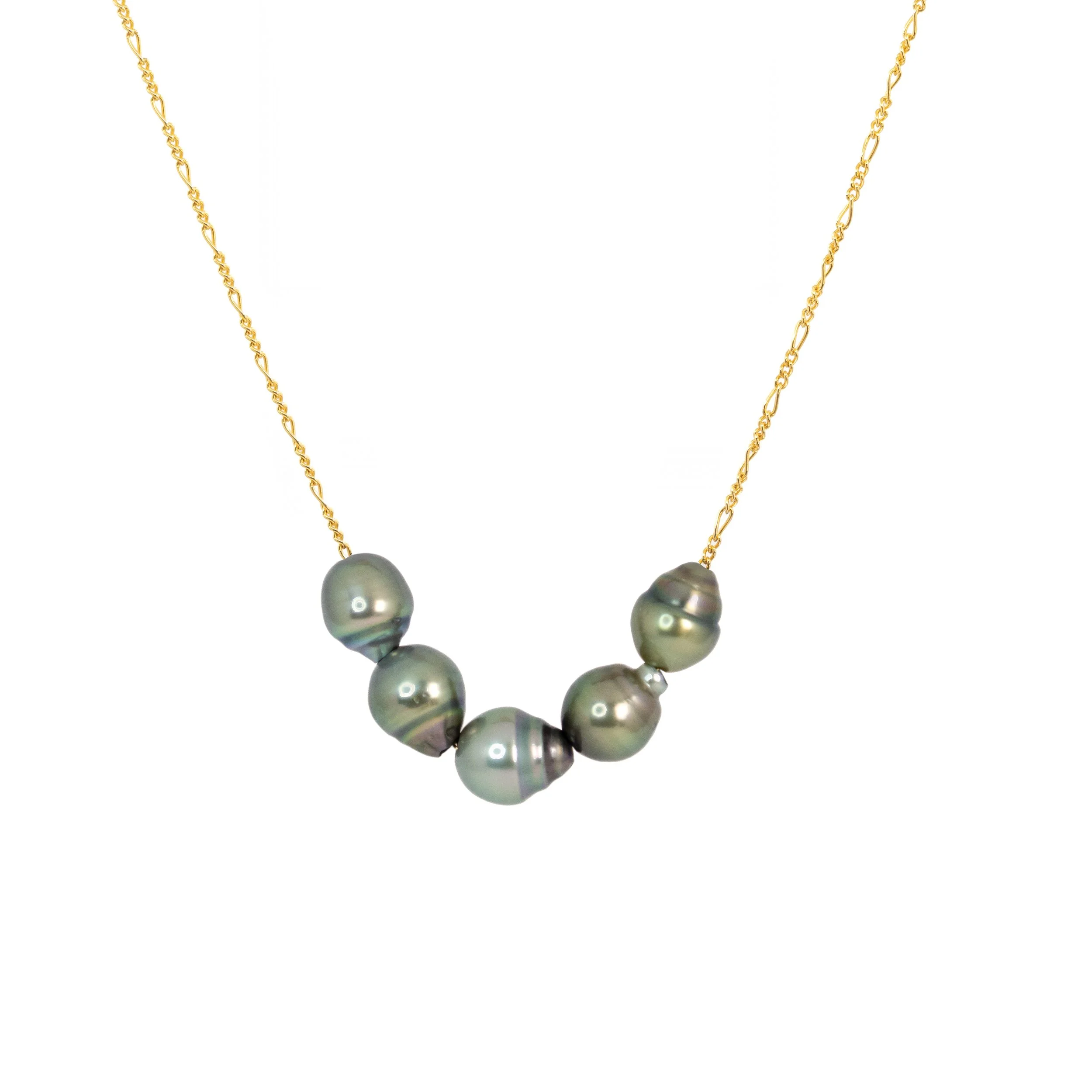
Pearls that feature clean surfaces without inclusions like pin-pricks, scoring marks, chalky spots, and wrinkles will be much more highly valued than pearls with multiple blemishes.
Because pearls are a product of nature, there will always be some form of blemish - even if you cannot view them with the naked eye.
-
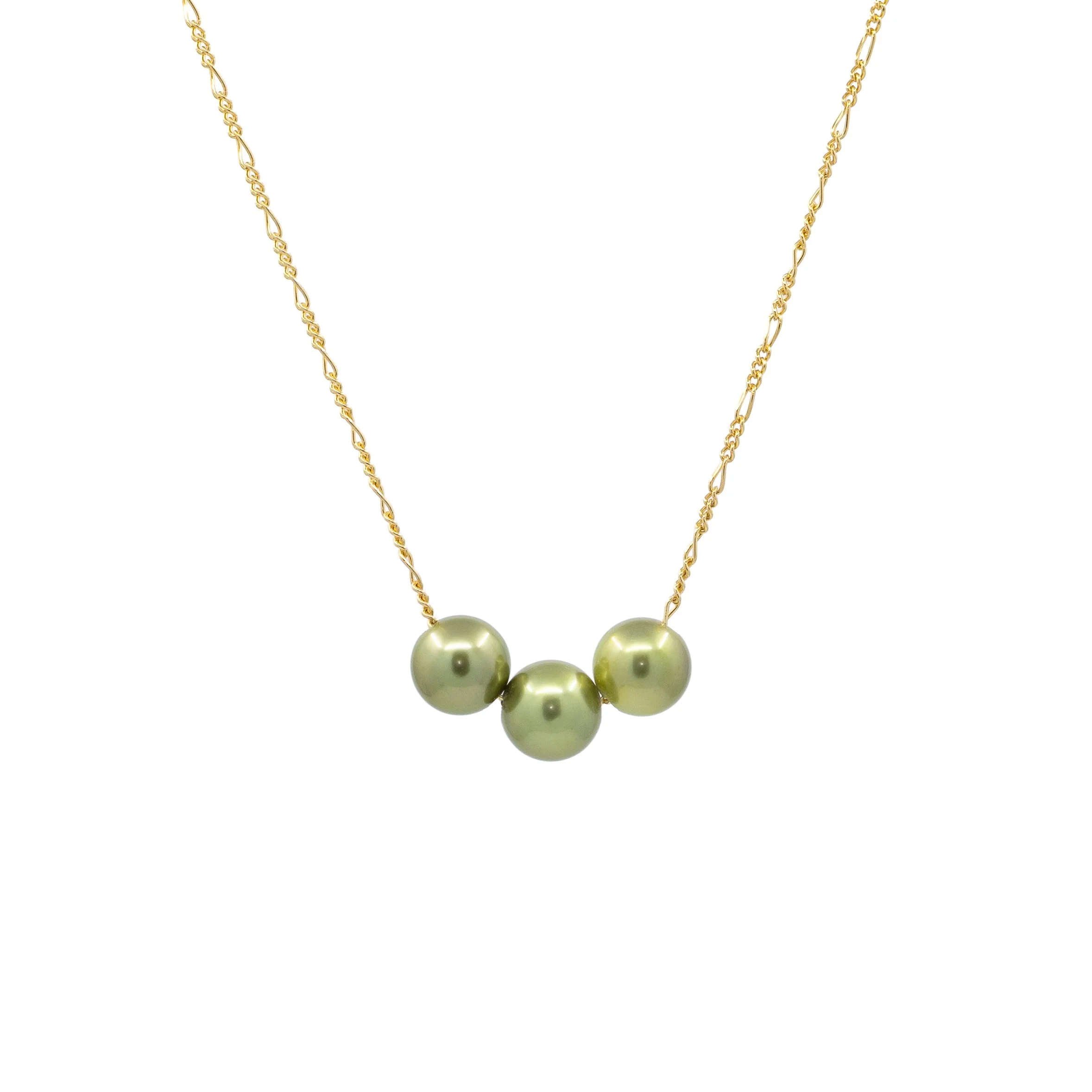
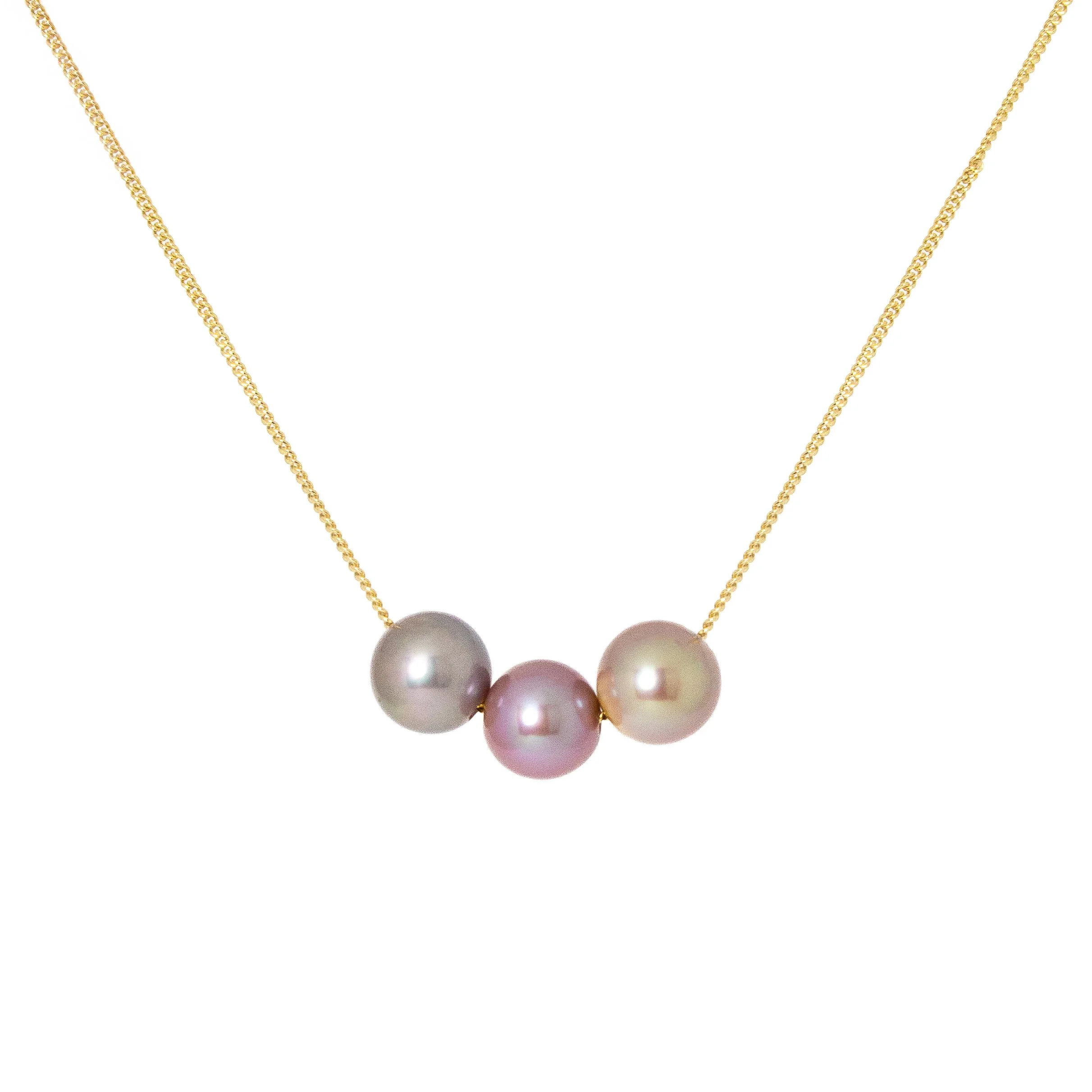
Describes how well pearls are matched within a pair or an entire layout.
-
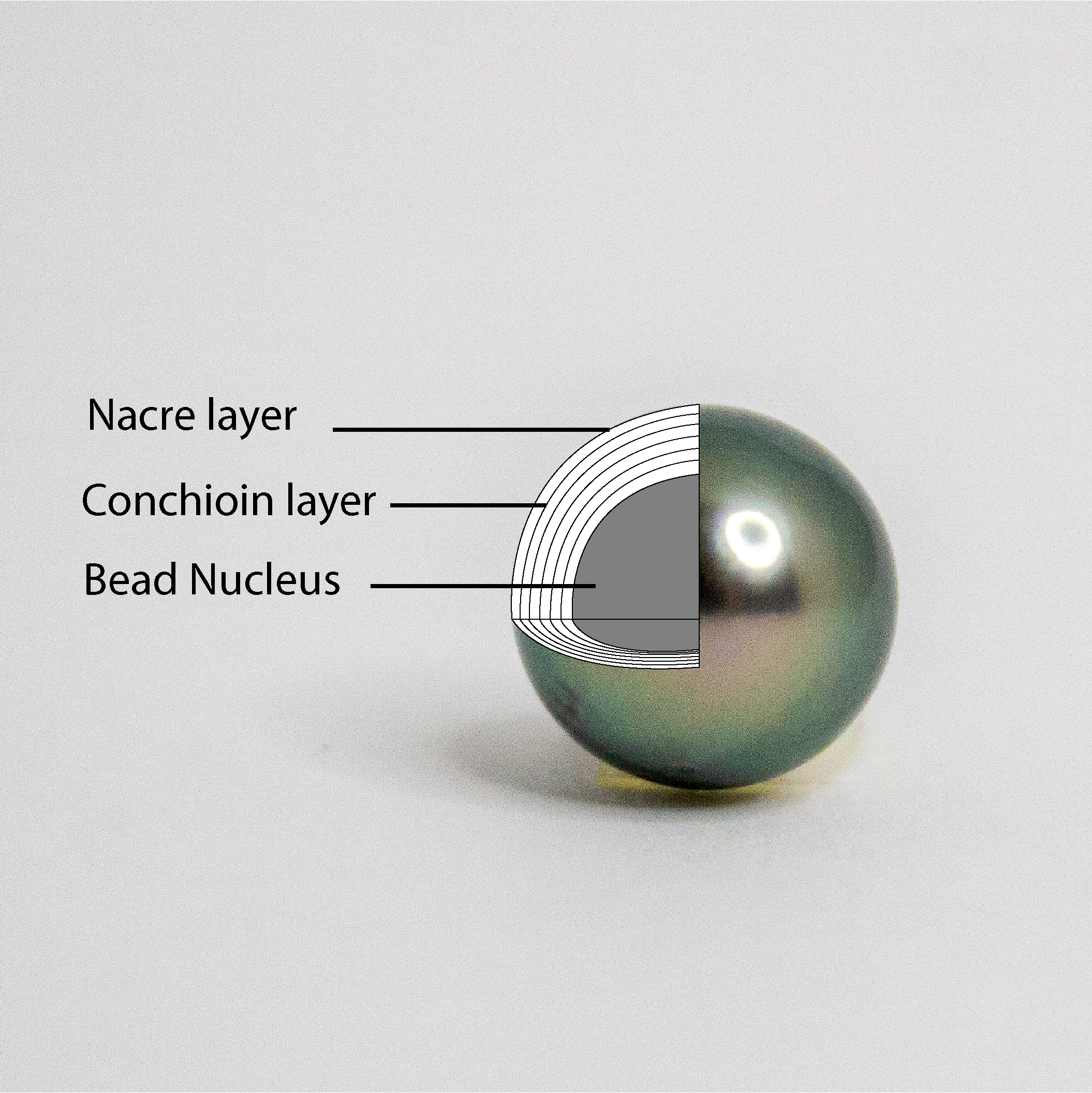
Tahitian cultured pearls MUST have a minimum nacre depth of 0.8mm per side (so 0.16mm total) to qualify for export. The average nacre thickness for Tahitian pearls remains at 1.0mm depth or more.